Just How Aluminum Foundry Solutions Improve Product Life Expectancy and Dependability
Aluminum foundry options play an essential duty in boosting the life-span and integrity of items. With sophisticated casting methods and cautious alloy selection, suppliers can achieve high precision and toughness. The natural corrosion resistance of aluminum further expands item long life. As industries continue to seek cutting-edge styles, the light-weight nature of aluminum offers significant benefits. Yet, the implications of these benefits prolong beyond plain performance, increasing inquiries concerning future applications and advancements in this area.
Benefits of Aluminum in Production
Numerous products are used in production, light weight aluminum stands out due to its unique combination of buildings. This lightweight metal offers extraordinary strength-to-weight ratio, making it an excellent selection for different applications. Its deterioration resistance enhances item longevity, minimizing maintenance expenses with time. On top of that, aluminum is very malleable, permitting for complicated forms and detailed styles, which can considerably enhance the flexibility of manufactured items.
Furthermore, aluminum is an outstanding conductor of warm and electricity, making it important in markets calling for efficient thermal and electrical monitoring - Aluminum Foundry. The material is additionally recyclable, promoting sustainability in manufacturing processes. Its natural reflectivity aids in energy preservation by lessening warm absorption in building applications. Overall, light weight aluminum's varied homes not just boost item performance but likewise add to environment-friendly methods, making it a favored option among producers aiming for dependability and effectiveness in their offerings
Advanced Casting Techniques for Improved Toughness
Advanced casting techniques play a necessary duty in enhancing the resilience of aluminum elements. Key variables such as precision mold and mildew layout, careful alloy material selection, and efficient surface area treatment methods greatly add to the general toughness and long life of the end products. By focusing on these facets, manufacturers can achieve premium efficiency and integrity in their light weight aluminum spreadings.
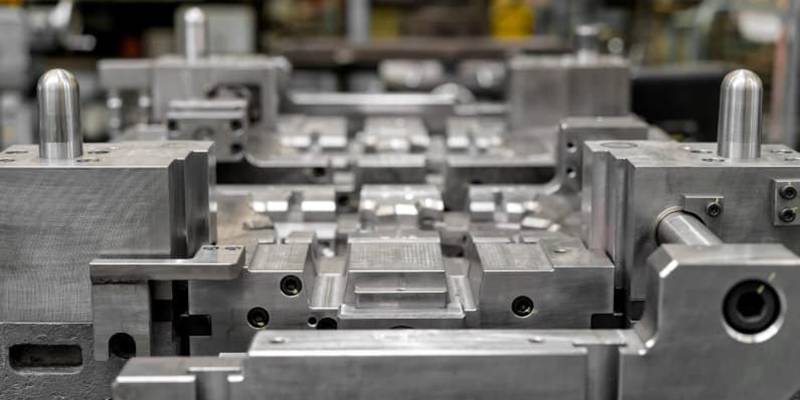
Precision Mold Layout
Precision mold style plays a crucial duty in the aluminum foundry market, significantly influencing the durability and high quality of cast products. By utilizing sophisticated techniques in mold and mildew development, makers can ensure that the measurements and surface finishes of the mold and mildews meet the exact requirements needed for peak efficiency. This precision reduces issues such as porosity and dimensional errors, which can compromise the stability of the end product. Furthermore, high-quality molds facilitate also heat circulation during the casting process, enhancing the material buildings of the light weight aluminum. The execution of computer-aided layout (CAD) and simulation innovations further fine-tunes mold layout, enabling fast prototyping and modifications. Inevitably, purchasing precision mold and mildew layout adds considerably to the durability and integrity of light weight aluminum castings in different applications.
Alloy Product Selection
The choice of suitable alloy materials considerably influences the performance and durability of light weight aluminum castings. Different alloy structures, such as collection 2xxx, 4xxx, and 6xxx, deal differing staminas, rust resistance, and thermal properties. Alloy 6061 is renowned for its excellent mechanical residential properties and weldability, making it suitable for architectural applications. Alternatively, alloy 356 is often favored for its remarkable casting characteristics and enhanced fluidity, which enhance information recreation and reduce problems. In addition, the choice of alloy can influence the casting process itself, affecting criteria like solidification prices and porosity degrees. Inevitably, notified alloy choice is vital for making certain that the end products satisfy specific performance demands and accomplish maximum long life in their desired applications.
Surface Treatment Strategies
Countless surface treatment techniques play an essential role in boosting the durability and efficiency of aluminum castings. These techniques include anodizing, which increases corrosion resistance and surface area firmness, and powder covering, which gives a robust coating while enabling various visual options. Furthermore, shot peening can improve exhaustion resistance by generating compressive anxieties on the surface. Chemical treatments, such as conversion coverings, can even more enhance bond buildings for adhesives and paints. Each method targets details efficiency enhancements, ensuring that aluminum components hold up against rough settings and extended use. By executing these advanced surface area therapies, makers can considerably extend the life expectancy of their products, boost dependability, and decrease upkeep prices, inevitably adding to superior performance in different applications.
Deterioration Resistance: A Key Benefit of Aluminum
Aluminum's all-natural oxide layer provides considerable corrosion resistance, making it an ideal material for numerous applications. This integral durability not only adds to its lightweight properties yet additionally boosts the long life of aluminum items. Recognizing these advantages is necessary for sectors looking for long-lasting and trustworthy remedies.
All-natural Oxide Layer
An amazing attribute of light weight aluminum is its all-natural oxide layer, which significantly enhances its rust resistance. This slim, protective film types automatically when aluminum is exposed to oxygen, producing a barrier that prevents more oxidation. Unlike other metals, this oxide layer is self-repairing; if damaged, it quickly restores in the visibility of oxygen, maintaining its protective top qualities. This particular significantly extends the life expectancy of light weight aluminum products, making them perfect for different applications, including aerospace, automotive, and aquatic sectors. In addition, the oxide layer can be additionally improved with anodizing procedures, which raises thickness and boosts safety abilities. Consequently, light weight aluminum components show amazing durability, minimizing maintenance expenses and making certain reliability in requiring atmospheres.
Light-weight Toughness
While several products struggle to stabilize weight and resilience, light weight aluminum stands apart as a result of its outstanding lightweight residential properties integrated with exceptional toughness. This one-of-a-kind combination makes light weight aluminum an optimal selection for various applications, particularly in markets where performance and effectiveness are paramount. Its reduced thickness allows for simpler handling and minimized transport costs, while its mechanical buildings guarantee that it can stand up to considerable tension without jeopardizing honesty. Additionally, aluminum's integral corrosion resistance, credited to its natural oxide layer, further improves its resilience. This resistance to environmental factors means that light weight aluminum components maintain their structural stability gradually, making them a reliable option for long-lasting usage. On the whole, light weight aluminum's light-weight longevity positions it as a remarkable material sought after applications.
Boosted Durability
When considering materials for durable applications, the corrosion resistance of aluminum becomes a critical advantage. Unlike many metals, aluminum naturally forms a protective oxide layer that shields it from harsh components, such as dampness and chemicals. This integral home enables aluminum to preserve its structural stability over time, minimizing the danger of damage and failure. Industries such as building, automobile, and aerospace benefit substantially from light weight aluminum's toughness, as components remain reliable even in harsh environments. Additionally, the ability to hold up against oxidation decreases maintenance costs and expands item life-span. By going with light weight aluminum foundry services, manufacturers can ensure that their products not only do remarkably yet likewise withstand the examination of time, eventually boosting client contentment and count on.
Effect of Lightweight Materials on Item Layout
Exactly how do light-weight materials transform product style? The integration of light-weight materials, such as light weight aluminum, considerably impacts the design and performance of products. These materials allow designers to create more cutting-edge and efficient remedies by decreasing weight without endangering structural integrity. This weight decrease results in boosted performance, improved fuel efficiency in transportation, and higher convenience of taking care of in manufacturing processes.
In addition, light-weight products promote intricate designs that were formerly unreachable with larger choices. This flexibility permits the unification of advanced functions and aesthetics, improving the general charm of the product. In addition, using lightweight materials contributes to sustainability initiatives by lowering power intake during production and usage. As industries significantly prioritize durability and performance, light-weight products are coming to be crucial in product design, leading to longer-lasting and much more dependable end results. This way, their effect on product style is extensive and complex, driving technology throughout various fields.
Instance Studies: Success Stories in Different Industries
Countless industries have actually taken advantage of the advantages of light-weight light weight aluminum remedies, causing exceptional advancements in item layout and performance. In the automotive market, producers have actually embraced light weight aluminum components to enhance gas effectiveness and minimize total automobile weight. A leading automobile maker reported a visit this web-site 20% decrease in weight throughout its fleet, resulting in improved acceleration and reduced emissions.

Additionally, in the consumer electronic devices field, companies have utilized aluminum cases to offer toughness while maintaining a streamlined aesthetic. A major tech brand name kept in mind that its aluminum-enclosed gadgets experienced fewer problems, resulting in higher consumer satisfaction and reduced service warranty cases. These instance studies exhibit aluminum's transformative effect across various sectors.
Future Trends in Aluminum Foundry Solutions
As sectors remain to focus on sustainability and efficiency, future trends in aluminum foundry solutions are expected to concentrate on innovative production methods and innovative alloys. One considerable trend is the fostering of additive manufacturing, or 3D printing, which boosts style flexibility and decreases waste. This technology permits the production of intricate geometries that typical techniques can not accomplish, resulting in lighter yet stronger parts.
Additionally, the growth of eco-friendly alloys is obtaining energy, focused on lowering the ecological footprint of light weight aluminum production. These brand-new materials may integrate recycled material and lessen damaging exhausts during the casting procedure.
Automation and expert system are likewise established to transform foundry procedures, enhancing and optimizing procedures quality control. Predictive maintenance methods will certainly better enhance reliability by recognizing possible failings prior to they occur. Collectively, these patterns guarantee to elevate the efficiency and sustainability of aluminum foundry options in various markets.
Often Asked Concerns
What Industries Advantage Most From Aluminum Foundry Solutions?
The automobile, aerospace, see this page and building and construction markets profit substantially from light weight aluminum foundry options. aluminum casting. These fields make use of light-weight, long lasting materials to boost performance, reduce costs, and boost overall performance in their manufacturing processes and final result
How Does Aluminum Influence Manufacturing Expenses Long-Term?
Aluminum's light-weight nature and rust resistance add to lower long-term manufacturing costs by lowering product costs, improving energy efficiency, and reducing upkeep requirements, eventually causing greater profitability across various markets reliant on sturdy parts.
What Is the Recycling Process for Aluminum Products?
The recycling process for aluminum items involves collection, arranging, improvement, shredding, and melting. This efficient cycle decreases power consumption and waste, enabling recycled light weight aluminum to be recycled in different applications, consequently promoting sustainability in production.
Can Aluminum Foundry Solutions Be Personalized for Certain Applications?
Yes, aluminum foundry solutions can be tailored for specific applications. Suppliers usually tailor processes, materials, and makes to fulfill unique demands, making certain peak performance and effectiveness in various industrial and consumer items.
How Do Aluminum Foundry Solutions Compare to Various Other Products?
Aluminum foundry services offer benefits like lightweight buildings, corrosion resistance, and outstanding thermal conductivity compared to other products. These attributes usually result in improved performance, making aluminum a preferred option for different applications in production.
Aluminum foundry remedies play an important duty in enhancing the lifespan and reliability of products. The all-natural deterioration resistance of light weight aluminum further expands item durability. Accuracy mold design plays an important function in the aluminum foundry sector, considerably affecting the toughness and top quality of actors items. The combination of light-weight materials, such as aluminum, substantially influences the design and performance of products. Numerous industries have our website harnessed the benefits of lightweight aluminum options, leading to impressive improvements in item layout and performance.
Comments on “The impact of Precision aluminum casting on component performance”